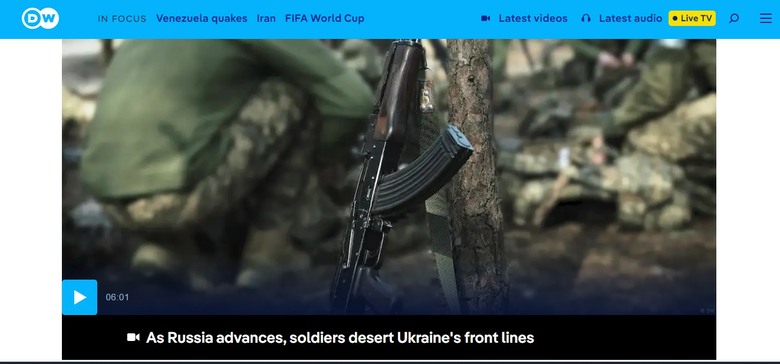
Tens of thousands of Ukrainian soldiers have deserted the military. They cite exhaustion, depression and the sometimes violent methods used to enlist new recruits to serve on the front. 數萬名烏克蘭士兵已經逃離軍隊。他們提出的理由包括筋疲力盡、抑鬱,以及徵召新兵上前線時有時採用的暴力手段。
Four years into the war in Ukraine, the military faces a growing recruitment crisis. Around 200,000 soldiers have reportedly left their units without authorization, citing exhaustion, unclear service timelines and mistrust in leadership. Frontline fighters and former troops describe low morale and controversial mobilization tactics. As casualties mount and replacements lag behind, Ukraine struggles to sustain its armed forces against Russia. 烏克蘭戰爭進入第四年,軍隊面臨日益嚴重的徵兵危機。據報約有20萬名士兵未經許可擅自離開部隊,理由是精疲力竭、服役期限不明確,以及對領導層的不信任。前線戰鬥人員與退役軍人描述了低落的士氣和備受爭議的動員手段。隨著傷亡人數攀升,後備兵員補充落後,烏克蘭在對抗俄羅斯的戰事中,正竭力維持其武裝力量。
Tens of thousands of Ukrainian soldiers have deserted the military. They cite exhaustion, depression and the sometimes violent methods used to enlist new recruits to serve on the front. 數萬名烏克蘭士兵已經逃離軍隊。他們提出的理由包括筋疲力盡、抑鬱,以及徵召新兵上前線時有時採用的暴力手段。
Four years into the war in Ukraine, the military faces a growing recruitment crisis. Around 200,000 soldiers have reportedly left their units without authorization, citing exhaustion, unclear service timelines and mistrust in leadership. Frontline fighters and former troops describe low morale and controversial mobilization tactics. As casualties mount and replacements lag behind, Ukraine struggles to sustain its armed forces against Russia. 烏克蘭戰爭進入第四年,軍隊面臨日益嚴重的徵兵危機。據報約有20萬名士兵未經許可擅自離開部隊,理由是精疲力竭、服役期限不明確,以及對領導層的不信任。前線戰鬥人員與退役軍人描述了低落的士氣和備受爭議的動員手段。隨著傷亡人數攀升,後備兵員補充落後,烏克蘭在對抗俄羅斯的戰事中,正竭力維持其武裝力量。