震撼美國的日本03中SAM改導彈
大家都曉得日本以前武器不外銷 又有和平憲法 所以對武器發展相當低調 比方說最近曝光的30FFM 日本官方文書都說是3900トン型護衛艦 其實這是說標準排水量 滿載排水量是5900頓 比很多驅逐艦都大 日本不用國際慣例的滿載排水量而用標準排水量來降低日本武器的威脅感

但是日本武器的性能仍然國際馳名 原因就是日本地窄人稠 很多武器都要拿去美國測試或是參與美軍的盟國演習
很多日本武器的性能震撼美軍 結果是美國自己幫日本宣傳日本武器的厲害

最近的例子就是日本的03中SAM改導彈;2015年送去美國白紗飛彈試驗廠測試 面對10發模擬戰機 巡弋飛彈
10發全部命中 命中率100% 其中一發是離地只有5公尺用2.5音速飛行模擬超音速掠海飛彈的GQM-163
老美大驚之餘 主動替日本公布 所以外界才知道日本03中SAM改導彈的厲害 會這樣厲害
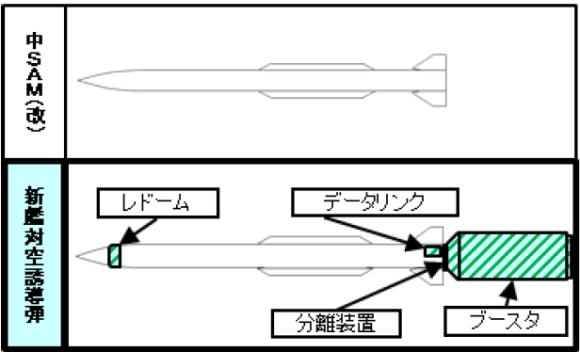
是因為日本03中SAM改導彈是從世界第一裝有GaN T/R 導引頭的AAM-4B改的 本來是要改成
艦上防空飛彈XRIM-4被美國施壓買ESSM 日本轉發展成03中SAM改導彈反而和本來的03中SAM沒什麼關係
現在又要改回給30FFM當防空飛彈準備取代SM-2

震撼美國的日本03中SAM改導彈

震撼美國的日本03中SAM改導彈


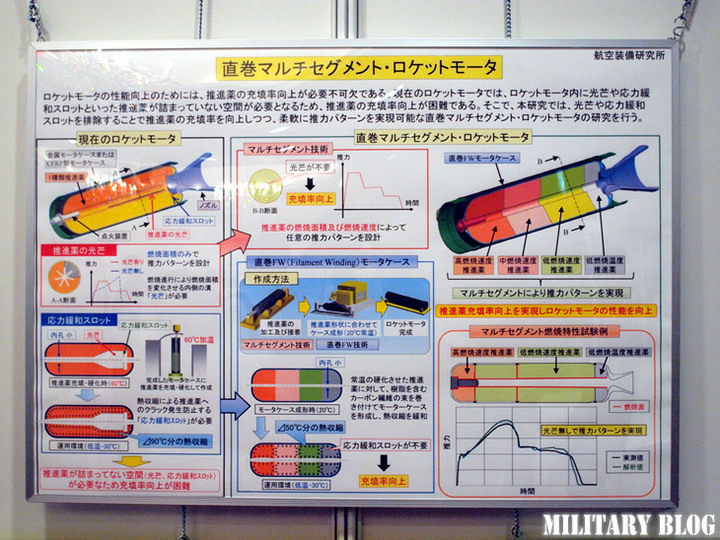
彈伸用了直卷技术,就是直接在药柱上缠绕碳纤维制成发动机壳体,避免了高温浇注导致的冷却变形,且不用留出星型的空隙,提高了装药密度,而可以实现复杂推力控制,这个技术同样被日美最新的SM3BII拦截弹使用,让射程大大延伸。
震撼美國的日本03中SAM改導彈

目前進一步改良要有反彈道飛彈的能力 慢慢取代本來的愛國者飛彈

震撼美國的日本03中SAM改導彈
注意 這個網站是美國陸軍官方的網站

===============================================

https://www.army.mil/article/158283/japanese_test_engages_supersonic_target_on_wsmr
Japanese Test Engages Supersonic Target on WSMR
By Mr. John Andrew Hamilton (ATEC)November 5, 2015

The Japanese Ministry of Defense conducted a total of 10 successful flight tests at White Sands Missile Range during the summer of 2015 using a Japanese-made air defense system to successfully engage and destroy cruise missile representative targets.

WSMR is a premiere location for missile and air defense system testing, and the Japanese Ground Self Defense Force takes full advantage of the range annually to conduct the acceptance test for their existing Chu-SAM missiles.

Chu-SAM is a medium range surface-to-air guided missile system developed and produced domestically in Japan.

The Chu-SAM Kai is an improved type of the Chu-SAM system equipped by the JGSDF, and has been undergoing evaluation since 2014 including the series of launches at White Sands Missile Range. Like other air defense systems of its type, Chu-SAM uses a combination of separate components, including command centers, radars, and launchers to create a single system. Chu-SAM Kai uses improved sensor and networking features, compared to the Chu-SAM, giving the system better range and allowing the system to target and destroy more complex threats like cruise and anti-surface missiles, while reducing system costs.

The test took advantage of WSMR's large size and controlled airspace, as well as its extensive instrumentation and data collection capabilities.

"We don't have the kind of ranges in Japan needed to satisfy the requirements of the Chu-SAM Kai tests," said Kazuhiro Tobo, Chu-SAM Kai test commander with the Technical Research & Developmental Institute. "Also, Kai is a complex system in which each sensor is networked to intercept anti-aircraft threats."

The test, which saw 100 percent of its targets successfully intercepted, impressed even the experienced WSMR test team.

"The Japanese test team we work with is excellent, they are highly experienced and trained to know what they need to succeed." said Henry Sedillo, WSMR's Chu-SAM Kai Test Officer.

This test series included the intercept of a GQM-163A Coyote, a U.S. Navy target system used to represent supersonic cruise missile and anti-surface missile threats. According to the Navy's Aerial Targets and Decoys Program Office, the Coyote is capable of representing several different threats. Cruising at a low altitude, the system can represent a supersonic anti-surface missile, or the target can climb to a high-altitude and descend at a supersonic speed to represent an air launched or ballistic threat.

While adding a system like the GQM-163 to the list of targets authorized for use on the range can be challenging, now that the system is cleared for use, other test missions can also employ the target, opening the door for more complex guided missile tests like the Chu-SAM Kai program.

"It's the first time that target has been flown here at White Sands," Sedillo said. "Normally it's flown at the Navy's Sea Range at Point Mugu, and so we are happy to have it here at White Sands."

The tests this year were largely conducted by personnel from the Technical Research and Development Institute, the systems development arm of Japan's Ministry of Defense. If the program proceeds as expected, Chu-SAM Kai will return to WSMR in 2016 for operational testing by the JGSDF members.
所以目前日本的30FFM都只裝16管 VLS 預留16管給將來取代SM-2的日本新艦對空飛彈
IDF302 wrote:
所以目前日本的30FFM都只裝16管 VLS 預留16管給將來取代SM-2的日本新艦對空飛彈


原本這型是要取代地方隊的輕型護衛艦
那就不需要(活動範圍在防空飛彈跟空自的保護傘內)

但是現在有一說有可能產量大增以補充擴增的鑑隊實力
如果要跟88鑑隊一起行動
就有可能增強防空系統

不過日本也跟台灣一樣
武器研發會跟美國採購的重疊
譬如這款飛彈如果性能沒有強過ESSM太多
那基於海自已有的ESSM後勤 美日並肩作戰時的管制 協同作戰....
或許面對ESSM沒有勝算
royle67 wrote:
原本這型是要取代地方(恕刪)


這是取代 sm -2的和essm沒有衝突
IDF302 wrote:
這是取代 sm -2(恕刪)


連更大更高檔的朝日級 秋月級都只裝ESSM
比較小 低檔的30FFM裝SM2等級的防空系統是不切實際的

而且你可以看看 MDC+秋月級
日本武器系統往往一開始很先進
但是缺少美國系統的不斷升級+產量大
問世沒多久就從最棒變成差不多
再變成落後了
royle67 wrote:
連更大更高檔的朝日級(恕刪)


因為技術再進步啊
文章分享
評分
評分
複製連結

今日熱門文章 網友點擊推薦!